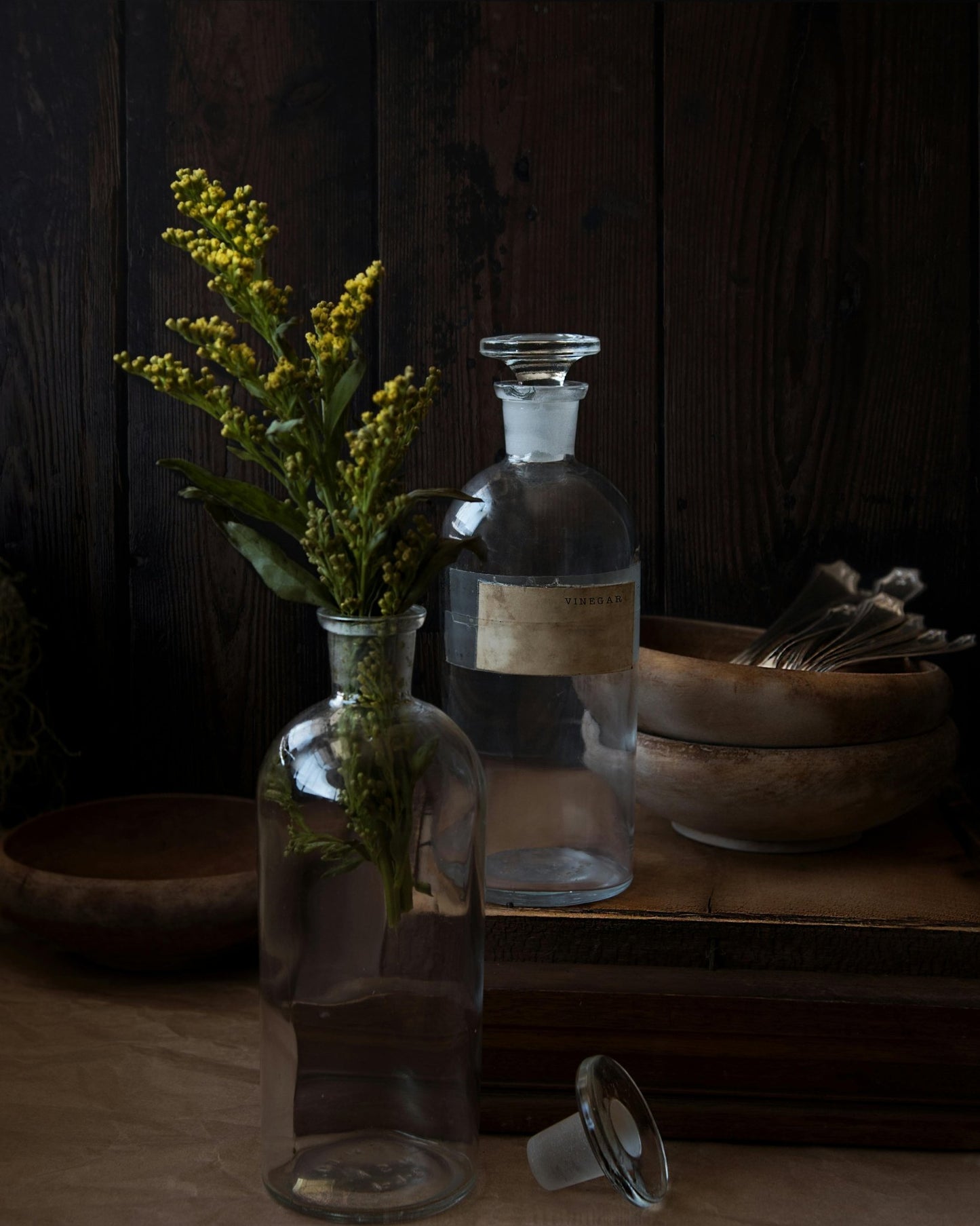
What Is Herbal Medicine? A Complete Guide
Herbal medicine is the world's oldest and most widely used form of medicine. This comprehensive guide explains what herbal medicine is, how it works, its evidence base, safety profile, and why millions of people in the UK are choosing it as a primary or complementary healthcare approach.
Defining Herbal Medicine
Herbal medicine (also called phytotherapy or botanical medicine) uses plant materials — roots, leaves, flowers, bark and seeds — as therapeutic agents. Unlike single-molecule pharmaceutical drugs, herbal medicines contain hundreds of active compounds that work synergistically. This 'phytochemical complexity' is both their greatest strength and the reason they require skilled practitioner knowledge.
How Herbal Medicine Works
Phytochemical Complexity
Plants contain hundreds of active compounds that work together — often more safely and effectively than isolated molecules.
Evidence Base
Thousands of clinical trials support the efficacy of herbal medicines for specific conditions.
Individualised Treatment
A qualified herbalist tailors formulas to the individual, not just the diagnosis.
Root Cause Approach
Herbal medicine aims to address the underlying cause of disease, not just suppress symptoms.
Key Herbs Used
- St John's Wort — Contains at least 10 active compounds working together — impossible to replicate with a single molecule.
- Turmeric — Curcumin is just one of 300+ compounds in turmeric root — whole extracts are often more effective.
- Echinacea — Multiple polysaccharides, alkylamides and glycoproteins contribute to its immune effects.
- Valerian — The sedative effects come from a complex mix of valerenic acid, isovaleric acid and flavonoids acting together.

What to Expect
Initial Consultation
A qualified medical herbalist spends 60–90 minutes taking your full health history.
Personalised Prescription
A bespoke formula is prepared combining 4–8 herbs in specific ratios for your needs.
Follow-up & Review
Progress is monitored and formulas adjusted as your health evolves.
Integrated Care
Herbal treatment is coordinated with any conventional medical care you receive.
Frequently Asked Questions
Is herbal medicine the same as homeopathy?
No — herbal medicine uses measurable plant doses with pharmacological activity. Homeopathy uses extremely diluted preparations on different principles.
Are herbal medicines regulated in the UK?
Yes — herbal products can be registered under the Traditional Herbal Registration (THR) scheme. Practitioners should be registered with the NIMH or MNIMH.
Can herbal medicine interact with drugs?
Yes — some herbs interact with medications. Always consult a qualified herbalist rather than self-treating.
How is a herbalist qualified?
UK medical herbalists train for 3–4 years at degree level and are registered with the National Institute of Medical Herbalists (NIMH).
References
- World Health Organisation (2019). WHO Global Report on Traditional and Complementary Medicine. Geneva: WHO.
- Ernst E & Pittler MH (2000). Herbal medicine. British Medical Journal, 321(7267), 1023–1024.
Experience Herbal Medicine for Yourself
Book an initial consultation with one of our qualified medical herbalists today.
Book a Free Discovery CallDisclaimer: This page is for informational purposes only and does not constitute medical advice. Herbal medicine should not replace treatment recommended by a qualified medical professional. Always consult your GP before making changes to your medication or treatment plan. The practitioners at Paean Therapy are registered with the National Institute of Medical Herbalists (NIMH).