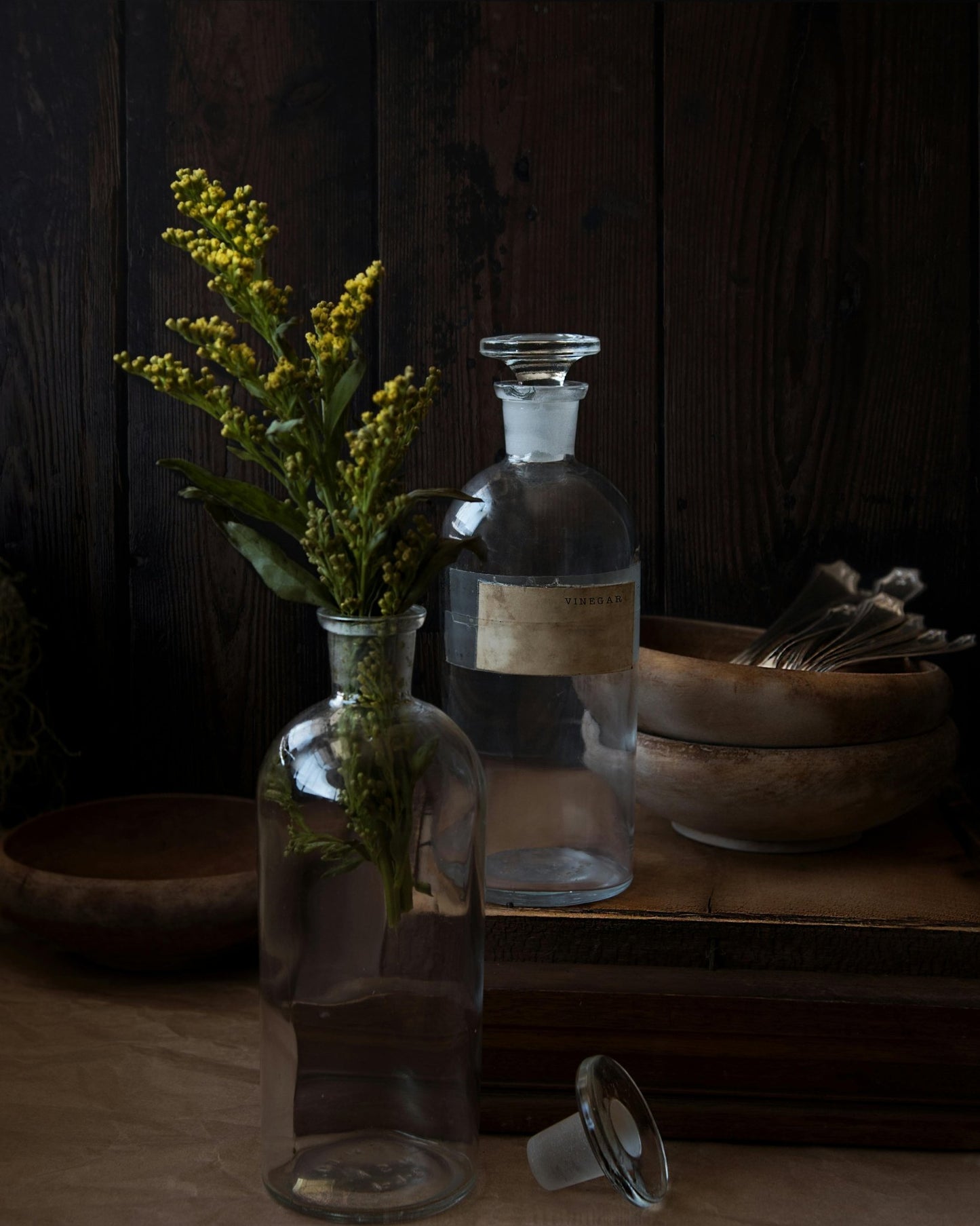
Herbal Medicine for Hay Fever & Seasonal Allergies
Hay fever affects 1 in 5 people in the UK and is worsening due to climate change. Herbal medicine reduces allergic reactivity, modulates the IgE-driven immune response and provides powerful natural antihistamine action — without the drowsiness of antihistamine medications.
The Immunology of Hay Fever
Hay fever (allergic rhinitis) is driven by IgE-mediated hypersensitivity to pollen, triggering mast cell degranulation and histamine release. Long-term drivers include gut dysbiosis, vitamin D deficiency, and the “hygiene hypothesis.” Herbal medicine addresses both acute symptom relief and the underlying immune dysregulation.
How Herbal Medicine Relieves Hay Fever
Natural Antihistamine
Quercetin-rich herbs stabilise mast cells and inhibit histamine release as effectively as loratadine.
Immune Modulation
Shifting the Th2-dominant allergic response towards a balanced Th1/Th2 profile reduces reactivity.
Nasal & Sinus Support
Decongestant and anti-inflammatory herbs reduce nasal congestion and sinus inflammation.
Gut Microbiome
Probiotic and prebiotic herbs rebalance gut flora — a key regulator of allergic reactivity.
Key Herbs Used
- Nettle (Urtica dioica) — Freeze-dried nettle leaf is clinically proven to reduce hay fever symptoms via multiple antihistamine mechanisms.
- Butterbur (Petasites hybridus) — Shown to equal cetirizine for hay fever in randomised trials without sedation.
- Elderflower (Sambucus nigra) — Decongestant and anti-catarrhal herb for nasal and sinus congestion.
- Quercetin-rich Herbs — Chamomile and calendula provide quercetin — the most potent natural mast cell stabiliser.

What to Expect
Allergy Assessment
We review your allergy history, triggers, gut health and immune pattern.
Pre-season Protocol
Starting 6–8 weeks before pollen season for maximum immune preparation.
Acute Symptom Relief
Fast-acting herbal formulas for symptomatic relief during peak pollen periods.
Long-term Desensitisation
A 12-month immune modulation programme to reduce baseline allergic reactivity.
Frequently Asked Questions
When should I start treatment?
For best results, begin herbal treatment 6–8 weeks before your typical pollen season starts.
Can herbs help with allergic asthma too?
Yes — herbal treatment can be extended to include allergic asthma management.
Is it safe for children?
Yes — we have paediatric formulas for children with hay fever.
Does it help with dust or pet allergies too?
Yes — the immune modulation approach applies to all IgE-mediated allergies.
References
- Mittman P (1990). Randomized, double-blind study of freeze-dried Urtica dioica in the treatment of allergic rhinitis. Planta Medica, 56(1), 44–47.
- Schapowal A (2002). Randomised controlled trial of butterbur and cetirizine for treating seasonal allergic rhinitis. BMJ, 324(7330), 144–146.
Get Through Pollen Season Naturally
Book a hay fever consultation with one of our specialist herbalists today.
Book a Free Discovery CallDisclaimer: This page is for informational purposes only and does not constitute medical advice. Herbal medicine should not replace treatment recommended by a qualified medical professional. Always consult your GP before making changes to your medication or treatment plan. The practitioners at Paean Therapy are registered with the National Institute of Medical Herbalists (NIMH).